Introducing the Sixth Edition of ESTEEM
Primary prevention for optimal health.
Help students build healthy habits and make decisions that support their goals. The sixth edition of ESTEEM offers interactive, age-appropriate workbooks for students in fifth grade through high school, with lessons that connect health, relationships, and everyday choices. The series integrates the 5 Dimensions of Health, Human Flourishing, and the Success Sequence.
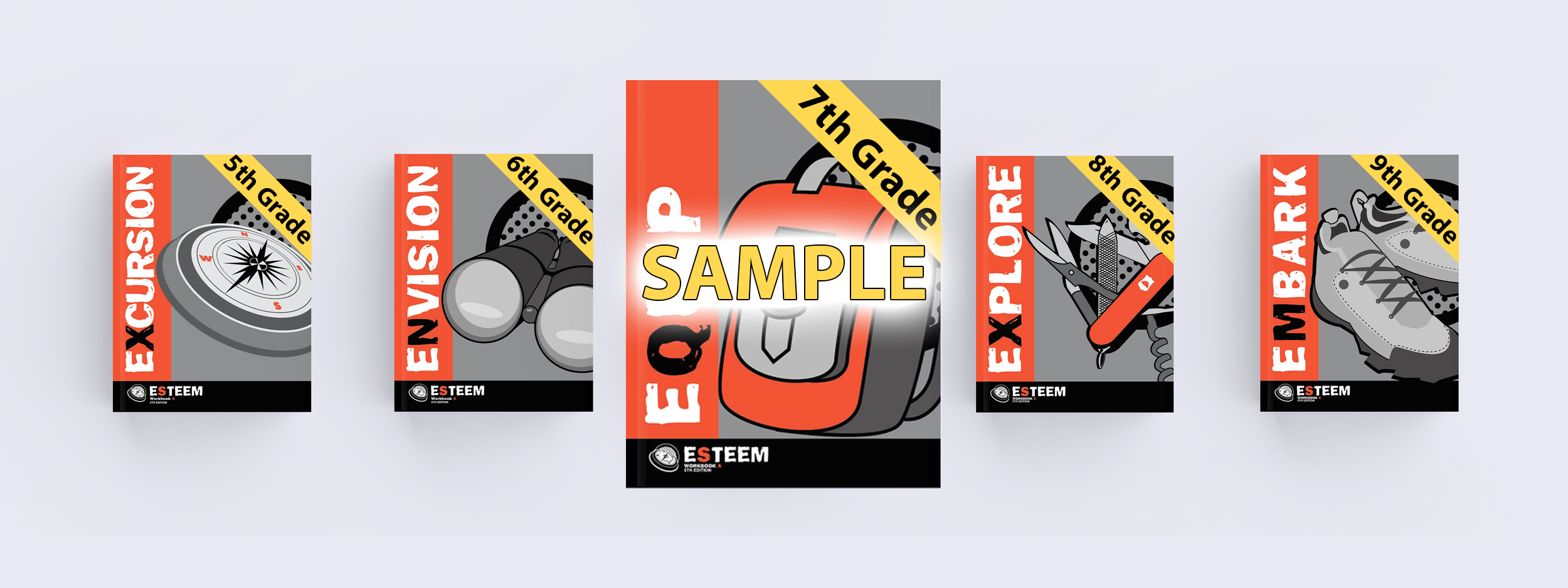
Five Grade Levels with Workbook A and Workbook B
Each grade-level series includes two workbooks, giving schools and families ten books to explore.
Health Lessons for Everyday Decisions
ESTEEM helps students understand how daily choices influence their well-being and future opportunities. Through guided activities and reflection, students practice setting goals, communicating respectfully, strengthening relationships, and recognizing pressures that can interfere with their plans. The 5 Dimensions of Health connect physical, social, intellectual, spiritual, and mental well-being to Human Flourishing.
Family conversations extend learning beyond the classroom and encourage students to apply these skills at home. The Success Sequence encourages students to plan for graduating from high school, working full time, and marrying before having children.
Fourteen Lessons Across Two Workbooks
Workbook A includes nine lessons on non-sensitive topics. Workbook B includes five lessons on sensitive topics, presented through age-appropriate sexual risk avoidance education. Together, the books provide the 14-lesson series for each grade level.
Keeping the topics in separate books helps schools organize curriculum review, parent communication, and implementation.
Lessons 1–7
Whole-Person Health Foundations
Lessons 8–14
Relationships, Risk Avoidance & Human Flourishing
Flexible Implementation with Trained Educators
Choose a teaching schedule that fits your setting. The 14 lessons can be taught over seven weeks, 14 weeks, or a semester, with time for activities, discussion, and reflection. A trained educator can lead the series, or trained staff can share teaching responsibilities according to their areas of expertise.
We can help your team plan implementation, prepare for curriculum review, and arrange educator training. Contact us to discuss an in-person presentation, conference call, or online demonstration.
Workbook A
5th through high school
Click on the sample 7th grade book below to review the 9 lessons in Workbook A.
If you would like to view the other grade levels, please click here and complete the form.
Workbook B
5th through high school
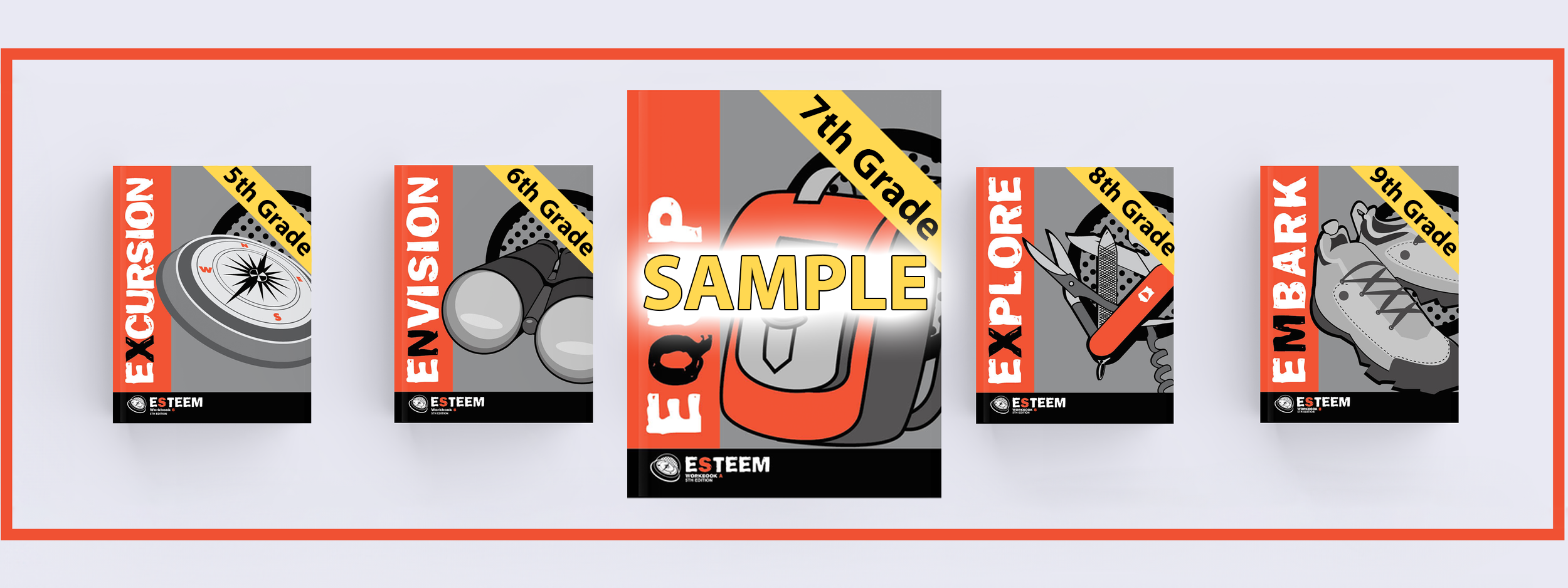
The five lessons in workbook B are sensitive topics and are separated to make implementation more flexible.
Click on the sample 7th grade book below to review the content.
If you would like to view the other grade levels, please click here and complete the form.
WHAT EDUCATORS ARE SAYING
“I believe the JH grades are the most vulnerable times for students. This is a time when the students are wanting to make grown up decisions without grown up experiences and judgment. Risky behavior can be curbed with the appropriate type of education and by giving students the knowledge that not every student does or participates in all the activities they may say they do.”
– Dr. Bobby Rice
OUR MISSION
Our mission is to help students, with the support of their families, make informed decisions that protect their health and support their future. We provide age-appropriate, factual, interactive education that encourages students to develop practical life skills, strengthen relationships, and avoid risky behaviors. In addition to addressing state health education standards that emphasize character development and risk avoidance, ESTEEM's development is guided by the K–12 Universal Standards for Optimal Sexual Development, originally developed by the Medical Institute for Sexual Health and now published by ASCEND.
Presentation Documents
-
This alignment chart details how ESTEEM fully meets all TX TEKS standards for 5th grade through High School.
-
Review the list of requirements in the TX education code and senate / house bills. Contact us if you would like a presentation on the code or specific bills.
-
All the lesson topics are organized concisely by grade in this pdf for your reference.
-
This document details the recommended steps to help your school successfully implement our program.
-
Click here for a document highlighting how our program follows SHAC guidance for curriculum.